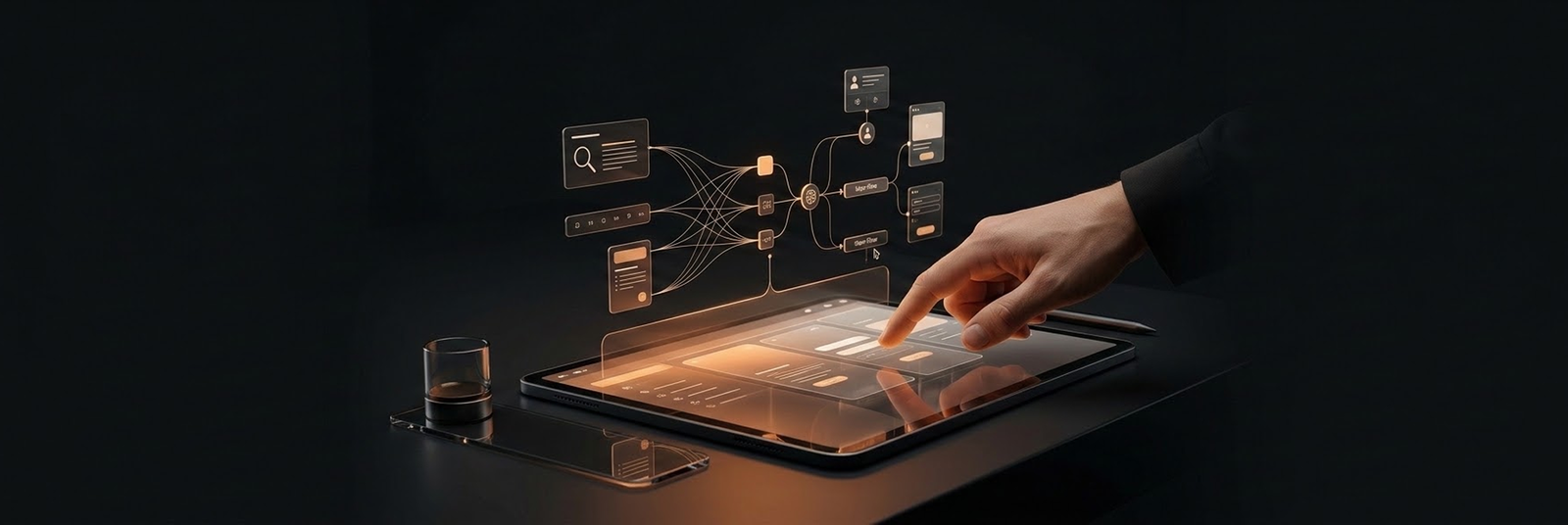
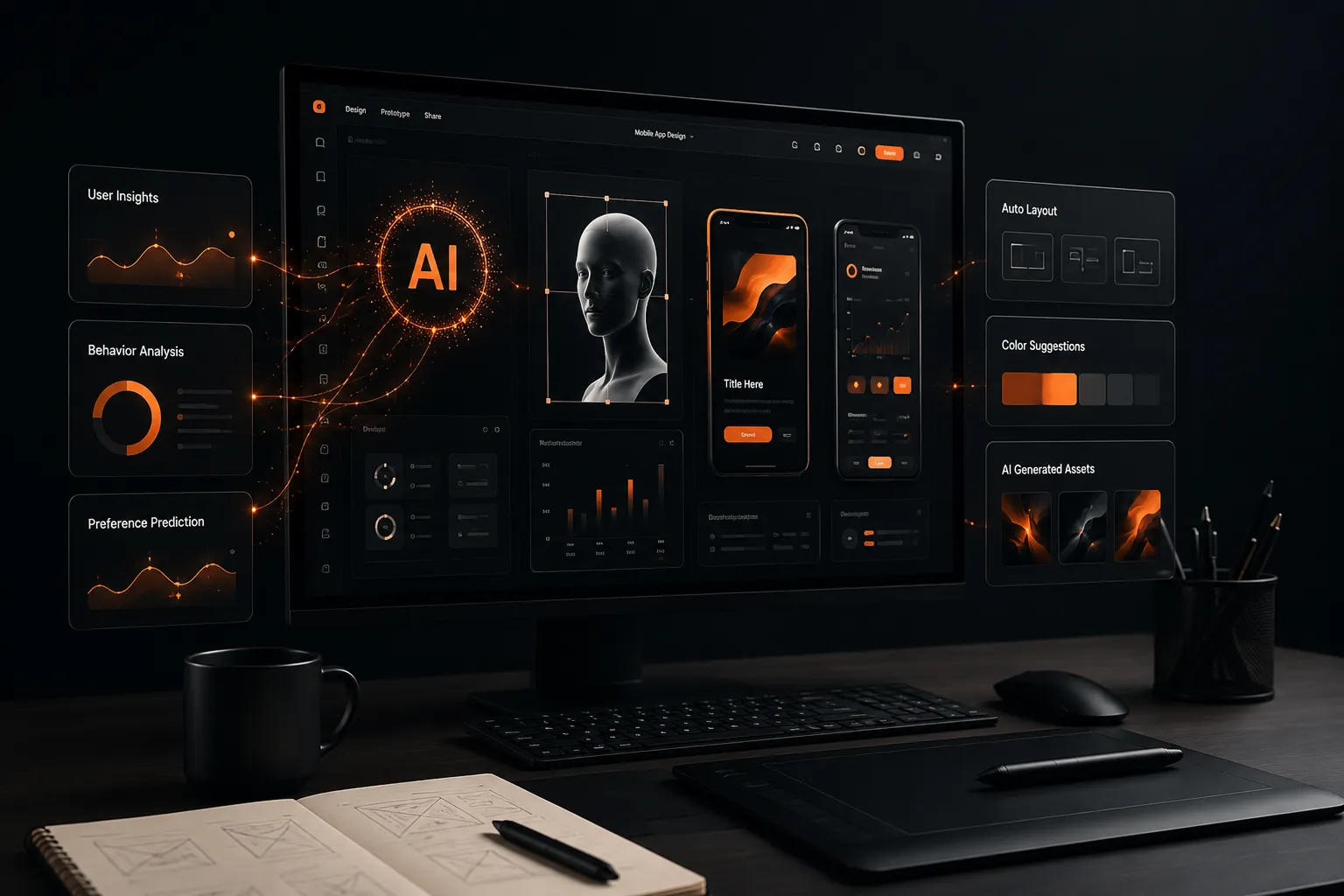
In 2026, the UI/UX landscape has shifted from "designing for the masses" to "curating for the individual." AI is no longer just a fancy add-on; it is the engine driving the industry toward hyper-personalisation and lightning-fast iteration.If you’re wondering how this synergy works, here is a breakdown of the What, How, and Tools defining the sector today.
What is AI’s Role in UI/UX?
In the UI/UX sector, AI acts as a Collaborative Partner rather than a replacement. It bridges the gap between raw data and human-centric design. While designers provide empathy, brand storytelling, and ethical oversight, AI handles the heavy lifting of data processing, pattern recognition, and repetitive asset creation.It transforms the "static" web into a "generative" one, where interfaces can literally rewrite themselves based on who is looking at them.
How is AI Being Used?
The integration of AI spans every phase of the design thinking process:
- User Research & Predictive Analytics The "How": AI tools analyse millions of user sessions to create heatmaps and predict where a user will click before they even move their mouse. It can synthesise hundreds of user interview transcripts into key "pain points" in seconds.Impact: Designers no longer guess; they iterate based on "Predictive UX."
- Hyper-Personalization (Generative UI) The "How": Modern apps use AI to change layouts in real-time. For example, a fitness app might show a "high-energy" interface with bold colours to a morning runner, but switch to a "calm, dark-mode" layout for a user doing evening yoga.Impact: A 10–25% boost in conversion rates by serving users exactly what they need at the right moment.
- Automating the "Grunt Work" The "How": AI now handles "pixel-pushing" tasks like resizing components for 50 different screen sizes, generating alt-text for accessibility, and converting hand-drawn sketches into high-fidelity wireframes.Impact: Design cycles that used to take weeks now take days, freeing designers to focus on high-level strategy.
Will AI Replace Designers?
No. The consensus in 2026 is that AI creates the output, but the designer provides the outcome. AI can generate a thousand layouts, but it cannot understand the "why" behind a brand’s soul or the nuanced ethical implications of a dark pattern.The most successful designers today are those who have transitioned from being "creators" to "curators" of AI-generated content.